Contamination Reports
Professional contamination assessments for planning applications, property development and planning-condition discharge. We coordinate Phase 1 Desk Studies, preliminary risk assessments, site investigations, remediation strategies and verification reporting for residential, commercial and mixed-use developments.
Contamination Assessments for Development Sites
Land contamination can affect the suitability, design and cost of a development. Where a site has a potentially contaminative history, the Local Planning Authority may require further assessment before determining an application or allowing construction to begin.
One Stop Consult can coordinate suitably experienced environmental consultants to assess potential contamination risks and prepare the supporting reports required for planning, design and construction.
Our service can cover the complete process, from an initial Phase 1 Desk Study through to intrusive investigation, remediation design and verification of completed works.
Reports and Investigations We Can Coordinate
The appropriate assessment depends on the site history, proposed development, planning requirements and findings from each stage of the investigation.
Phase 1 Desk Study
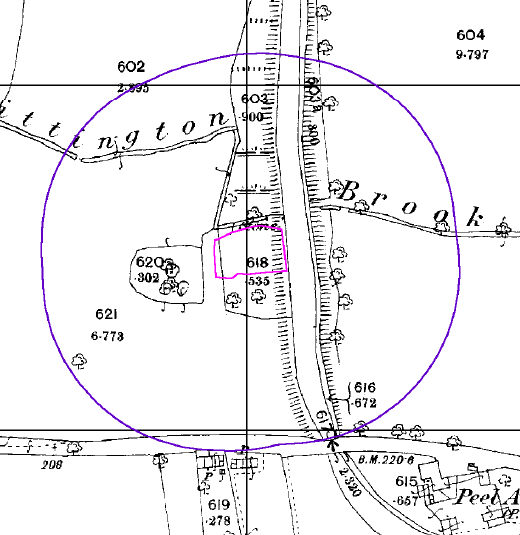
A review of historical mapping, environmental data, geology, hydrogeology and previous land uses to identify potential sources of contamination.
Preliminary Risk Assessment
Assessment of potential pollutant linkages between identified contamination sources, pathways and sensitive receptors.
Phase 2 Site Investigation
Intrusive investigation involving soil, made ground, groundwater or ground-gas sampling to assess actual site conditions.
Ground-Gas Monitoring
Monitoring for gases such as methane and carbon dioxide where historical land use, made ground or nearby landfill may present a potential risk.
Remediation Strategies
Preparation of measures to remove, manage, isolate or otherwise reduce contamination risks before or during construction.
Verification Reports
Evidence and reporting confirming that the approved remediation measures have been completed in accordance with the agreed strategy.
When May a Contamination Report Be Required?
A contamination assessment may be requested where current or historical land uses suggest that pollutants could be present within the soil, groundwater or ground gas.
Reports may also be required when converting land or buildings to a more sensitive use, particularly residential accommodation.
Projects We Can Assist With
Contamination requirements can apply to developments of many different sizes and property types.
New-Build Homes
Assessments for individual dwellings, replacement properties, infill sites and small residential schemes.
Housing Developments
Contamination assessment, investigation and remediation support for multi-unit residential developments.
Residential Conversions
Reports for the conversion of commercial, industrial or other buildings into flats, apartments, houses or HMOs.
Commercial Developments
Environmental assessment for offices, retail, industrial, hospitality and mixed-use developments.
Redevelopment Sites
Assessment of brownfield land, demolished buildings and sites with a history of previous development.
Planning Condition Discharge
Reports, investigations and evidence prepared to satisfy contamination-related planning conditions.
Phase 1 Contamination Desk Study
A Phase 1 Desk Study assesses the potential for contamination using available records and a review of the site and surrounding area.
The assessment normally considers historical mapping, environmental database information, geology, hydrogeology, nearby pollution incidents, landfill records and potentially contaminative land uses.
The report develops an initial conceptual site model showing potential contamination sources, pathways and receptors and recommends whether further investigation is required.
What a Phase 1 Report Can Include
The scope will vary depending on the site, available information and the requirements of the Local Planning Authority.
The report brings together the available evidence and provides recommendations for the next stage of assessment.
How the Contamination Assessment Process Works
Contaminated-land assessment is normally completed in stages, with the findings from each stage determining whether further investigation or remediation is required.
Send the Project Information
Provide the site address, proposed plans, planning reference and any contamination-condition wording.
Desktop Review
Historical and environmental information is reviewed to assess potential contamination sources and risks.
Site Investigation
Where required, intrusive investigation, sampling and monitoring are completed to assess actual conditions.
Remediation
Suitable measures are designed and implemented where contamination presents an unacceptable risk.
Verification and Submission
The completed works are documented for submission to the relevant authority.
Information Usually Required
Providing the available planning and development information helps establish the correct assessment scope and prepare an accurate quotation.
Site Address
The complete address, postcode and clear identification of the development boundary.
Location and Site Plans
Plans showing the site boundary, existing buildings, proposed layout, gardens and areas of soft landscaping.
Description of Development
Details of the proposed buildings, uses, demolition, foundations and other ground-disturbing works.
Planning Information
The planning reference, decision notice, application documents and any environmental-health correspondence.
Condition Wording
The exact contamination-related planning conditions attached to the development.
Existing Reports
Any previous desk studies, ground investigations, laboratory results or remediation documents for the site.
Phase 2 Intrusive Site Investigation
A Phase 2 investigation may be required where the Phase 1 assessment identifies potential pollutant linkages that cannot be dismissed using existing information.
The investigation may include boreholes, trial pits, soil sampling, groundwater monitoring, ground-gas monitoring and laboratory testing for relevant contaminants.
The results are used to refine the conceptual site model and determine whether contamination presents an unacceptable risk to future occupants, buildings, controlled waters or other receptors.
Remediation Strategies
Where unacceptable contamination risks are confirmed, a remediation strategy sets out the measures required to make the site suitable for its proposed use.
The strategy may need to be approved before remediation or construction work begins.
Verification and Validation Reporting
After remediation has been completed, evidence may be required to demonstrate that the approved measures were installed or implemented correctly.
Verification evidence may include site photographs, contractor records, waste-transfer documentation, material certificates, laboratory results and installation records.
The final verification report brings this information together and confirms whether the remediation objectives have been met.
Discharging Contamination Conditions
Contamination conditions may apply before commencement, during construction or before occupation of the completed development.
We can review the full condition wording and coordinate the reports and evidence required at each stage.
Nationwide Contamination Report Support
One Stop Consult coordinates contamination assessments, site investigations, remediation strategies and verification reporting for residential, commercial and mixed-use developments throughout mainland UK. Planning information, specialist consultants, investigation work and final reporting can be managed through a single point of contact.
Other Services Your Development May Require
Contamination assessment often forms part of a wider planning, environmental and ground-investigation package.
Important Contamination Information
One Stop Consult provides consultancy and project coordination support and is not the Local Planning Authority, environmental regulator or statutory decision-making body. The required scope and acceptance of contamination reports are determined by the relevant authority and the site-specific circumstances. A Phase 1 Desk Study cannot confirm the absence of contamination and may recommend further intrusive investigation. Investigation costs, drilling, excavation, laboratory testing, monitoring visits, remediation works, disposal charges and verification attendance may be charged separately unless expressly included within the agreed quotation.
Contamination Report FAQs
What is a Phase 1 contamination report?
A Phase 1 report is a desk-based assessment of the site history, environmental setting and potential contamination risks. It normally includes a preliminary conceptual site model and recommendations for further work.
Does a Phase 1 Desk Study involve soil testing?
No. It is generally a non-intrusive assessment. Soil, groundwater or ground-gas testing is normally undertaken during a Phase 2 investigation where required.
Why has the council requested a contamination report?
A report may be requested because of the site’s previous use, nearby land uses, made ground, landfill records or the sensitivity of the proposed development.
What is a Phase 2 site investigation?
A Phase 2 investigation involves intrusive sampling, monitoring and laboratory analysis to assess the actual contamination conditions at the site.
Will I always need a Phase 2 investigation?
No. Further investigation is generally recommended where the Phase 1 assessment identifies potential pollutant linkages that cannot be reasonably dismissed.
What is a remediation strategy?
A remediation strategy explains how identified contamination risks will be removed, controlled or reduced so that the site is suitable for its proposed use.
What is a verification report?
A verification report provides evidence that the approved remediation measures were completed correctly and that the remediation objectives have been achieved.
Can you help discharge a contamination condition?
Yes. We can review the condition and coordinate the Phase 1 assessment, investigation, remediation strategy, verification report and submission information required.
Can you guarantee that the report will be approved?
No. Acceptance and discharge of planning conditions are matters for the relevant Local Planning Authority and its environmental-health or contaminated-land advisers.
Do you provide contamination reports nationwide?
Yes. We coordinate contamination assessments and related investigation services for eligible developments throughout mainland UK.
Request Your Free Contamination Report Quote
Complete the form below and provide the site address, proposed development drawings, planning reference and any contamination condition or correspondence received from the Local Planning Authority. Our team will review the requirements and provide a clear, no-obligation quotation for the appropriate desk study, investigation or planning-condition support.