
Cavity Wall Insulation
Survey, design coordination and installation support for pumped cavity wall insulation, helping suitable homes and commercial buildings reduce heat loss and improve energy efficiency.
Improving the Thermal Performance of Cavity Walls
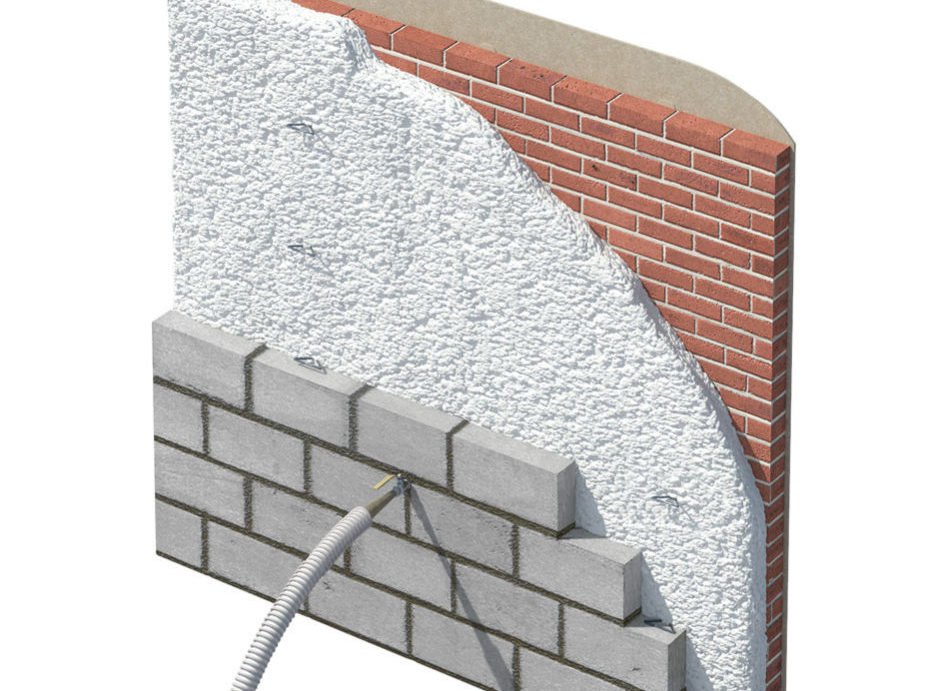
Cavity wall insulation is installed into the gap between the inner and outer leaves of a suitable external wall. The insulation reduces heat transfer through the wall, helping the building retain warmth and reducing the amount of energy required for space heating.
The existing One Stop Consult service highlights that uninsulated cavity walls can account for a significant proportion of heat loss. For a suitable building, filling the cavity can therefore provide a practical route to improving comfort and lowering energy demand.
One Stop Consult can coordinate quotations and installation support through specialist cavity-wall insulation partners for residential and commercial properties.
Benefits of Cavity Wall Insulation
Correctly specified and installed insulation can improve comfort and reduce unnecessary heat loss through the external walls.
Improved Energy Efficiency
Insulation slows heat transfer through the wall, helping the property retain warmth for longer.
Reduced Heating Demand
Lower fabric heat loss can reduce the amount of energy required to maintain comfortable indoor temperatures.
Improved Internal Comfort
Better-insulated external walls can feel warmer internally and reduce cold-surface discomfort.
Minimal Internal Disruption
Installation is generally undertaken from the exterior, avoiding major alterations to internal finishes.
Quick Installation
Many suitable properties can be completed efficiently, subject to size, access and the selected insulation system.
Reduced Carbon Emissions
Lower heating demand can help reduce the operational carbon associated with the building.
Pre-Installation Suitability Survey
The wall construction and condition should be inspected before any insulation is installed. The survey helps establish whether the cavity is clear, continuous and suitable for the proposed system.
Particular attention should be given to moisture exposure, existing defects and areas where insulation could bridge the cavity.
How Pumped Cavity Wall Insulation Is Installed
The exact process depends on the selected product and the wall construction, but the installation normally follows a controlled injection pattern.
Survey and Preparation
The walls are assessed, access is planned and suitable injection positions are identified.
Injection Holes
Small holes are drilled through mortar joints or other agreed locations in a regular pattern.
Insulation Installation
The approved insulation material is injected into the cavity using specialist equipment.
Making Good
Injection holes are sealed and matched as closely as practicable to the surrounding finish.
Insulation Materials and System Selection
Different pumped or injected cavity insulation systems are available. The appropriate product should be chosen around the cavity width, wall construction, exposure, building height, certification and installer assessment.
Product selection should not be based on thermal performance alone. Moisture resistance, installation density, fire classification and compatibility with the existing wall are also important.
When Cavity Wall Insulation May Not Be Suitable
Filling a cavity without proper assessment can increase moisture or performance risks. Some properties may require remedial work or a different insulation strategy.
Existing Damp Problems
Active damp, defective pointing, leaking gutters or water penetration should be resolved before insulation is considered.
Severe Exposure
Highly exposed locations may require a more detailed assessment of wind-driven rain and wall suitability.
Blocked or Debris-Filled Cavities
Mortar droppings and debris can create bridges that affect moisture performance and insulation continuity.
Wall Defects
Cracking, damaged masonry, defective cavities or failed damp-proofing should be investigated before installation.
Inappropriate Wall Construction
Solid walls, narrow cavities and certain non-standard constructions may require a different insulation solution.
Unprotected Services or Openings
Flues, vents, air bricks, meter boxes and other openings need to be identified and protected during installation.
How Our Cavity Wall Insulation Service Works
Clear property information allows the specialist installer to assess access, suitability and the likely installation scope.
Initial Enquiry
Provide the address, property type, approximate wall area and any known damp or access issues.
Suitability Assessment
Review the wall construction, exposure, cavity condition and access requirements.
Quotation
Confirm the proposed insulation system, wall area and agreed installation scope.
Installation
Install the insulation using the approved drilling and injection pattern.
Completion
Make good the injection points and provide any agreed completion information.
Cavity Wall Insulation for Homes and Businesses
Information Required for a Quotation
Provide the full property address, building type, approximate age, number of storeys and photographs of all external elevations.
Please also identify any existing damp, render, cladding, extensions, conservatories, restricted access, shared walls or previous insulation work.
Cavity Wall Insulation Installation Support
One Stop Consult coordinates pumped cavity wall insulation quotations and installation support through specialist partners. Coverage and availability depend on property location, suitability, access and the selected system.
Other Services Your Project May Require
Important Cavity Wall Insulation Information
Cavity wall insulation is not suitable for every property. Final suitability depends on the wall construction, cavity width, exposure, moisture condition, existing defects, building height, product system and specialist installer assessment. Existing damp, water ingress and masonry defects should be resolved before installation. Any energy-saving figures are indicative only and depend on the building, heating pattern, fuel cost, existing insulation and occupancy. One Stop Consult provides consultancy, coordination and supply-chain support through specialist partners.
Cavity Wall Insulation FAQs
What is cavity wall insulation?
It is insulation installed into the gap between the inner and outer leaves of a suitable cavity wall to reduce heat transfer.
How do I know whether my property has cavity walls?
The building age, wall thickness and brick pattern may provide an indication, but a specialist assessment is the most reliable way to confirm the construction.
Will cavity wall insulation reduce heat loss?
Yes, where the wall and insulation system are suitable. The actual reduction depends on the existing building and complete thermal envelope.
Can insulation be installed from outside?
Pumped cavity insulation is normally installed through small injection holes formed externally, subject to access and the wall finish.
Is every cavity wall suitable for filling?
No. Cavity condition, moisture exposure, wall defects and the type of construction must be assessed before installation.
Can cavity wall insulation cause damp?
Problems can arise where insulation is installed into an unsuitable or defective wall. This is why a proper pre-installation assessment is important.
How disruptive is the installation?
Installation is generally less disruptive than internal insulation because most work takes place externally. Access and making-good requirements vary by property.
What information is needed for a quotation?
Provide the property address, building type, approximate age, external photographs, access information and details of any existing damp or insulation.
Do you install cavity wall insulation?
One Stop Consult coordinates quotations and installation support through specialist cavity-wall insulation partners.
Request Your Free Cavity Wall Insulation Quote
Complete the form below with the property address, building type and approximate age. Upload photographs of each external elevation and include details of any existing damp, access restrictions or previous insulation so our team can coordinate a suitable quotation.