
Specialist Snagging Service
Independent snagging inspections for new-build homes, using experienced inspectors and specialist equipment to identify visible and concealed defects before or shortly after completion.
What Is a Snagging Inspection?
A snag is a defect, incomplete item or workmanship issue that remains within a newly built property after the main construction work has been completed. Some defects are obvious, while others may be difficult for an untrained homeowner to identify without technical knowledge or specialist equipment.
One Stop Consult coordinates independent snagging inspections for new homes. The inspector reviews the property systematically and records defects within a detailed report that can be presented to the house builder for correction.
The existing OSC service states that reports are provided within 48 hours, giving homeowners and developers a prompt record of the items identified during the inspection.
Snagging Inspections for Buyers and Developers
Independent snagging can provide reassurance to both the new homeowner and the housing developer.
New Home Buyers
Identify defects that should be raised with the builder before they are overlooked or become harder to resolve.
Housing Developers
Review completed plots before handover and reduce the risk of buyers returning later with avoidable defects.
Landlords and Investors
Obtain an independent record of the new property before occupation or tenancy begins.
Self-Build Clients
Review the quality and completeness of a newly constructed home before final payments and handover.
What Can Be Checked During a Snagging Inspection?
The inspection covers visible areas of the property that are safely accessible on the day. The exact scope depends on the property type, completion stage and agreed service.
The inspector records defects, unfinished work, damage and items that appear inconsistent with the expected standard of a newly completed home.
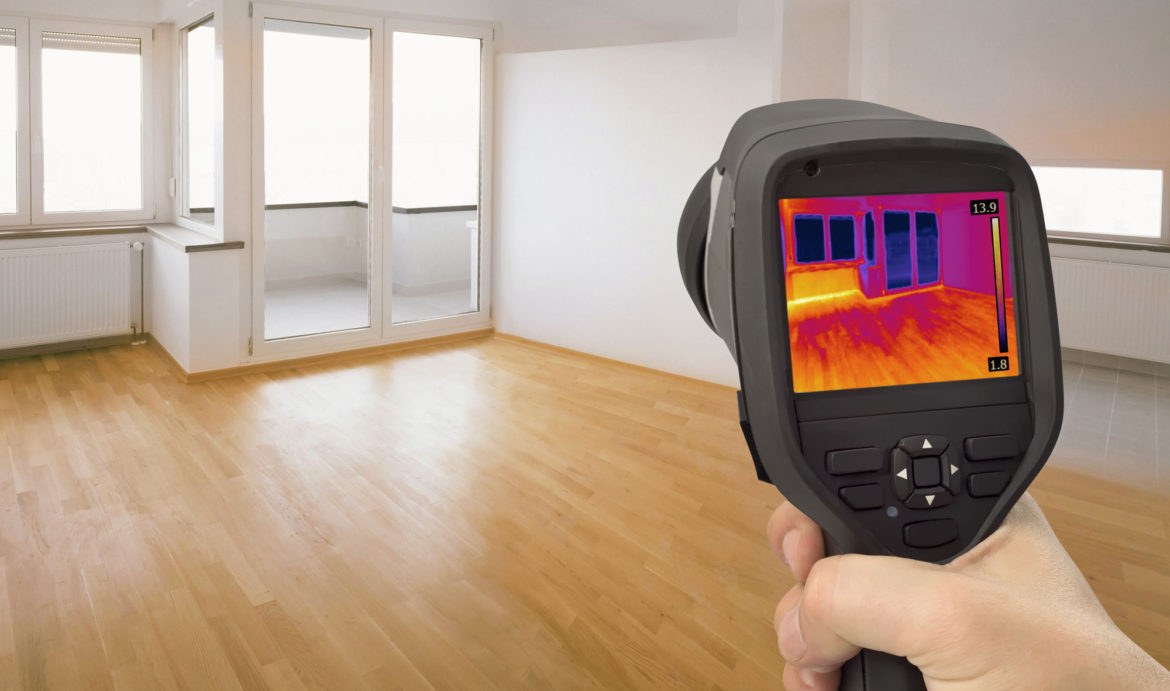
Thermal Imaging During Snagging Inspections
Some construction defects are not immediately visible. Thermal imaging can highlight unusual surface-temperature patterns that may indicate missing insulation, cold bridging, air leakage or moisture-related concerns.
The existing OSC page specifically notes the use of thermal-imaging cameras as specialist equipment that may help identify defects missed by the average homeowner.
Typical New-Build Snagging Issues
The issues found vary by property, contractor and completion standard, but certain defects appear regularly across new developments.
Poor Decorative Finishes
Uneven paintwork, visible filler, cracking, damaged surfaces and incomplete making good.
Doors and Windows
Misalignment, damaged frames, poor seals, difficult operation and incomplete ironmongery.
Kitchen Defects
Damaged units, poor door alignment, loose fittings, unfinished sealant and appliance-installation issues.
Bathroom Defects
Incomplete sealant, damaged sanitaryware, poor tiling, loose fittings and visible leaks.
Thermal and Insulation Issues
Unusual cold areas, possible missing insulation and air leakage around construction junctions.
External Defects
Damaged brickwork, poor pointing, defective sealant, drainage issues and unfinished landscaping.
When Should a Snagging Survey Be Completed?
Before Completion
The preferred option where the developer allows access, giving time for issues to be raised before legal completion or handover.
Immediately After Handover
A practical alternative where pre-completion access is unavailable.
Before the Builder's Defect Period Ends
A later inspection may help identify remaining defects before the developer's formal defect period expires.
Before Final Contractor Payment
Self-build clients and developers may use snagging before releasing outstanding payments, subject to their contract.
How the Specialist Snagging Process Works
The process is designed to give the client a clear, independent record of defects within the newly completed property.
Initial Enquiry
Confirm the property, completion stage and preferred inspection date.
Access Coordination
Agree access with the homeowner, developer or site team.
Property Inspection
Review the completed home systematically and use specialist equipment where appropriate.
Report Preparation
Compile the defects into a clear snagging list with photographs.
Builder Rectification
The client can submit the report to the house builder for review and corrective action.
Your Independent Snagging Report
The report provides a structured record of the defects found during the inspection. It can be shared with the house builder, developer, site manager or customer-care team.
The existing OSC service states that reports are provided within 48 hours. Actual turnaround should be confirmed when booking, particularly for larger or more complex properties.
Snagging Support for Housing Developers
Independent inspections can also be used as a quality-control step before completed properties are handed over to purchasers.
Pre-Handover Review
Identify issues before the buyer receives the keys and reduce avoidable first-impression concerns.
Consistent Quality Checks
Apply a repeatable inspection process across multiple plots or phases.
Reduced Customer Returns
Resolve defects earlier and reduce the number of buyers returning after occupation with outstanding issues.
Time and Cost Savings
Early correction can be simpler and less expensive than returning once the property is occupied.
Information Required for a Quotation
Provide the full property address, property type, number of bedrooms, approximate floor area and expected completion or handover date.
Please also confirm whether the property is occupied, whether external areas are complete and whether access has been agreed with the developer.
Snagging Inspections for New Residential Properties
Other Services Your Project May Require
Important Snagging Inspection Information
A snagging inspection is a visual, non-destructive review of accessible areas unless a different scope is expressly agreed. Concealed construction, inaccessible roofs, underground services and defects requiring opening-up may not be identified. Thermal imaging depends on suitable environmental conditions and highlights anomalies rather than proving the exact cause. The inspection is not a structural survey, Building Regulations approval, warranty inspection or guarantee that the property is free from defects. The builder remains responsible for considering and correcting valid items in accordance with the sale agreement, warranty and applicable standards. One Stop Consult provides consultancy and coordination support through its specialist inspection network.
Specialist Snagging Service FAQs
What is a snag?
A snag is a defect, incomplete item, damage or workmanship issue remaining within a newly built property.
Why use an independent snagging inspector?
An independent inspector provides an objective review and may identify issues that are not obvious to the average homeowner.
When should the inspection take place?
Ideally before completion where access is allowed, or as soon as possible after handover.
Is thermal imaging included?
Specialist thermal-imaging equipment may be used where appropriate and where environmental conditions allow meaningful results.
How quickly is the report issued?
The existing OSC page states that snagging reports are provided within 48 hours. Confirm the turnaround when booking.
Can the report be sent to the house builder?
Yes. The report provides a clear snagging list that can be presented to the builder or developer for correction.
Can developers use the service?
Yes. Developers can use independent snagging inspections before handover to help improve quality and reduce later customer defects.
Is a snagging inspection the same as a structural survey?
No. A snagging inspection focuses on visible defects and completion quality within a new property. It is not a full structural survey.
What information is needed for a quotation?
Provide the address, property type, bedroom count, approximate size, completion date and access arrangements.
Request Your Free Specialist Snagging Quote
Complete the form below with the property address, property type and expected completion date. Upload the floor plans where available and include any defects you have already noticed so our team can coordinate an appropriate inspection quotation.