
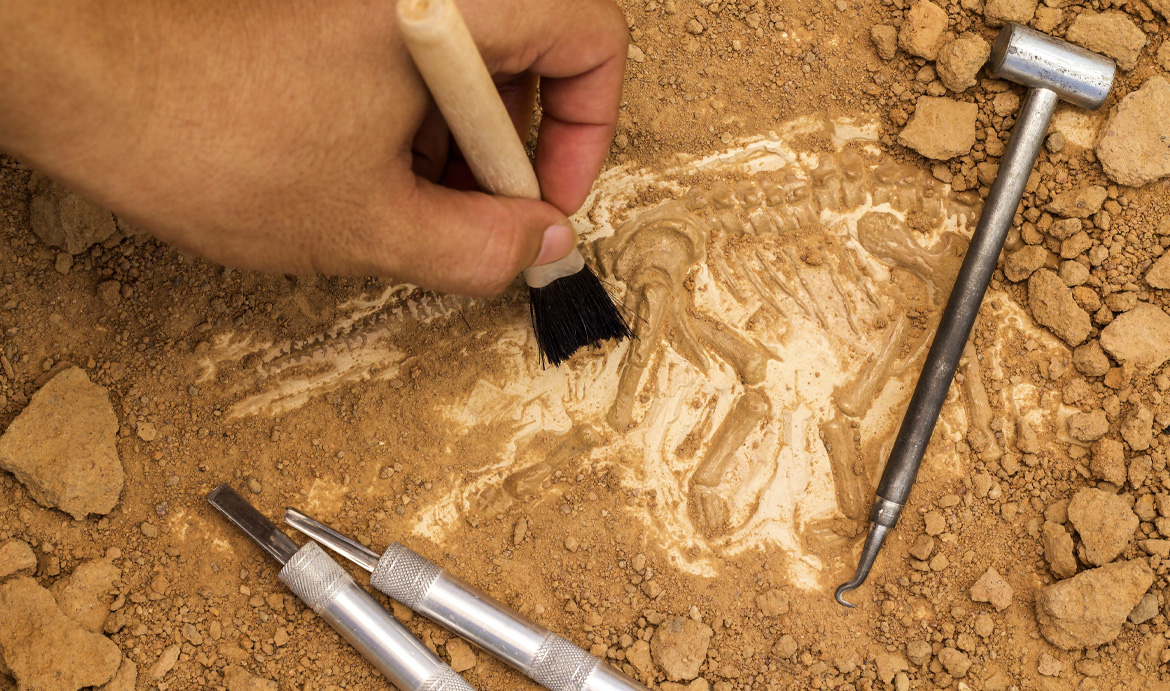
Archaeological Surveys and Assessments
Professional archaeological support for planning applications, development sites and planning conditions. We coordinate desk-based assessments, field evaluations, watching briefs, trial trenching and specialist reporting to help identify and manage potential archaeological constraints.
Archaeological Support for Development Projects
Archaeological remains can affect the design, planning and construction programme of a development. Where a site has known or potential archaeological interest, the Local Planning Authority may request further information before determining an application or starting construction.
One Stop Consult can coordinate specialist archaeological consultants to review the site, assess its potential and prepare the appropriate reports, investigations and mitigation strategy.
Our service can support homeowners, developers, architects, contractors and commercial clients from the early planning stage through to the discharge of archaeological planning conditions.
Services We Can Coordinate
The appropriate level of archaeological work depends on the site, development proposal, planning policy and advice from the relevant archaeological authority.
Desk-Based Assessments
A review of historic records, mapping, previous investigations and available heritage information to assess the archaeological potential of the site.
Archaeological Field Evaluation
Site investigations undertaken to establish whether archaeological remains are present and assess their character, extent, condition and significance.
Trial Trenching
Carefully positioned trenches used to investigate the site and determine whether buried archaeological features or deposits may be affected by the development.
Archaeological Watching Brief
Monitoring of excavation or groundworks by an archaeologist so that any archaeological remains encountered can be examined and recorded.
Geophysical Surveys
Non-intrusive survey techniques used to identify potential buried archaeological features before intrusive investigation or construction begins.
Excavation and Recording
Detailed archaeological excavation, recording and reporting where significant remains would otherwise be affected or removed by the proposed development.
When May an Archaeological Assessment Be Required?
Archaeological work may be requested where a development could affect known heritage assets or land with the potential to contain archaeological remains.
The precise requirements are normally determined through planning policy, consultation with archaeological advisers and the scale and location of the proposed development.
Projects We Can Assist With
Archaeological requirements can apply to developments of many different sizes and types.
New-Build Housing
Archaeological assessments and investigations for individual homes, infill sites and larger residential developments.
Commercial Development
Support for offices, industrial units, retail schemes, hospitality developments and mixed-use projects.
Extensions and Basements
Assessment of works involving significant ground disturbance, deeper foundations or excavation below existing buildings.
Conversions and Redevelopment
Archaeological support where redevelopment includes demolition, new foundations, service trenches or external works.
Infrastructure Projects
Investigation and monitoring for roads, drainage, utilities, renewable energy and other infrastructure development.
Historic Properties
Support for developments affecting historic buildings, conservation areas and sites with recognised heritage interest.
How the Archaeological Process Works
The process usually begins with a review of the planning requirements, development proposal and known heritage information for the site.
Send the Project Information
Provide the site address, drawings, planning reference and any archaeological correspondence or condition wording.
Initial Archaeological Review
The site and available heritage information are reviewed to establish the likely assessment or investigation requirements.
Agree the Scope
Where necessary, the proposed methodology is agreed with the relevant archaeological adviser or planning authority.
Complete the Investigation
The required desk study, geophysical survey, trenching, monitoring or excavation is undertaken.
Reporting and Submission
Findings are recorded in a formal report for submission with the planning application or condition discharge request.
Information Usually Required
Providing the available planning and development information helps establish the appropriate archaeological scope and quotation.
Site Address
The full development address, postcode and clear identification of the site boundary.
Location and Site Plans
Drawings showing the site boundary, proposed layout, foundations, drainage and other ground-disturbing works.
Description of Development
Details of what is being constructed, converted, demolished or altered and the expected depth of excavation.
Planning Information
The planning reference, decision notice, application documents and any relevant planning officer correspondence.
Condition Wording
The exact archaeological planning condition and any advice provided by the archaeological officer.
Existing Reports
Any heritage statements, previous archaeological reports, surveys or investigations already completed for the site.
Archaeological Desk-Based Assessments
A desk-based assessment examines existing information to establish the known and potential archaeological interest of a site and its surrounding area.
This may include a review of historic maps, aerial photographs, archaeological records, previous investigations, geological information and the historic development of the site.
The report considers the significance of any identified remains, the potential impact of the proposed development and whether further field investigation may be necessary.
Field Evaluation and Trial Trenching
Field evaluation is used to investigate whether archaeological remains are present within the site and assess their extent, character, condition and significance.
Trial trenches are normally positioned across selected parts of the proposed development area based on the desk study, geophysical survey results and the likely construction impact.
The findings can help the planning authority decide whether archaeological mitigation, design changes, excavation or monitoring will be required.
Archaeological Watching Briefs
A watching brief involves an archaeologist attending the site while agreed excavation or groundworks are undertaken.
If archaeological features, deposits or finds are encountered, the archaeologist records them and may require sufficient time for appropriate investigation.
Written Schemes of Investigation
A Written Scheme of Investigation sets out how archaeological work will be completed, recorded, reported and archived.
It may describe the objectives, fieldwork methodology, staffing, equipment, health and safety arrangements, finds processing, specialist analysis and reporting programme.
Planning conditions commonly require the Written Scheme of Investigation to be approved before archaeological fieldwork or development begins.
Discharging Archaeological Planning Conditions
Archaeological conditions may apply before construction, during groundworks or after fieldwork has been completed.
We can help coordinate the required consultant, fieldwork, reporting and submission information through a single point of contact.
Nationwide Archaeological Support
One Stop Consult coordinates archaeological assessments, investigations and planning-condition support for residential, commercial and mixed-use developments throughout mainland UK. Planning information, specialist consultants, fieldwork and reporting can be managed through a single project contact.
Other Services Your Development May Require
Archaeological requirements often form part of a wider planning, environmental and technical assessment package.
Important Archaeological Information
One Stop Consult provides consultancy and project coordination support and is not the Local Planning Authority, archaeological planning adviser or statutory decision-making body. Archaeological requirements, approval of methodologies and discharge of planning conditions are determined by the relevant authority. The scope, cost and programme may change where previously unknown remains, additional investigation, specialist analysis, extended monitoring or revised reporting are required. Planning fees, excavation plant, laboratory work, finds analysis, archiving and additional site attendance may be charged separately unless expressly included within the agreed quotation.
Archaeology FAQs
Why has archaeology been requested for my development?
Archaeological information may be requested where the site contains known remains or has the potential to contain previously unidentified archaeological features that could be affected by development.
What is an archaeological desk-based assessment?
It is a review of existing historic, archaeological and mapping information used to assess the known and potential archaeological interest of a site.
Will an archaeological assessment involve digging?
A desk-based assessment does not normally involve excavation. Trial trenching, evaluation or excavation may be required later depending on the site and the findings of the initial assessment.
What is an archaeological watching brief?
A watching brief involves an archaeologist monitoring agreed groundworks so that any archaeological remains encountered can be examined and recorded.
What is a Written Scheme of Investigation?
It is a formal document explaining how the archaeological work will be undertaken, recorded, reported and archived. It may require approval before fieldwork begins.
Can archaeology delay construction?
It can affect the programme where approvals, fieldwork or additional investigation are required. Reviewing the requirements early helps reduce avoidable delays.
What happens if archaeological remains are discovered?
The remains will normally be assessed and recorded. The appropriate response may involve further excavation, preservation, specialist analysis or changes to the agreed methodology.
Can you help discharge an archaeological condition?
Yes. We can review the condition and coordinate the required methodology, consultant, fieldwork, reporting and submission information.
Can you guarantee approval of the archaeological report?
No. Approval and discharge of conditions are matters for the relevant Local Planning Authority and archaeological adviser.
Do you provide archaeological services nationwide?
Yes. We coordinate suitable archaeological support for eligible residential and commercial developments throughout mainland UK.
Request Your Free Archaeology Quote
Complete the form below and provide the site address, development drawings, planning reference and any archaeological condition or correspondence received from the Local Planning Authority. Our team will review the requirements and provide a clear, no-obligation quotation for the appropriate assessment, investigation or planning-condition support.