
Fire Door Inspections
Independent inspections of fire doors, frames, glazing, seals, clearances and hardware, with clear recommendations for remedial work, upgrading or replacement.
Independent Fire Door Inspection Services
Fire doors are a critical part of a building's passive fire-protection strategy. When correctly specified, installed and maintained, they help restrict the spread of fire and smoke and protect escape routes long enough for occupants to leave safely.
One Stop Consult coordinates experienced fire-door inspectors who can assess the condition and suitability of doors within commercial, residential and communal buildings. The inspection considers the door leaf, frame, glazing, gaps, seals, hinges, closers and other associated hardware.
Following the inspection, a detailed report is provided identifying the condition of each door and the works required to improve compliance. Recommendations can distinguish between essential remedial works and non-critical but advisable improvements.
Why Fire Door Inspections Are Important
The Regulatory Reform (Fire Safety) Order 2005 applies to non-domestic premises and the common parts of residential buildings. The responsible person must ensure that fire-safety measures are properly maintained.
Protect Escape Routes
Fire doors help maintain protected corridors, stairways and compartment boundaries during a fire.
Maintain Compartmentation
A defective door can compromise the fire resistance of an otherwise suitable wall or enclosure.
Support Legal Compliance
Routine inspection and maintenance help the responsible person demonstrate that fire-safety provisions are being managed.
Identify Defects Early
Small problems such as excessive gaps, damaged seals or faulty closers can be corrected before they become more serious.
What Does a Fire Door Inspection Include?
The inspector reviews accessible fire doors and their associated components against the available design information, fire-risk assessment and relevant standards or guidance.
The precise scope depends on the building, door type and agreed inspection level, but common inspection points include the following.
Issues Frequently Identified During Inspections
Fire doors can become defective through poor installation, wear, maintenance failures or later alterations.
Excessive Gaps
Gaps around the sides, head or threshold may exceed the suitable tolerance for the door set.
Missing or Damaged Seals
Intumescent and smoke seals may be absent, painted over, damaged or incorrectly fitted.
Faulty Self-Closers
The door may fail to close fully into the frame from different opening positions.
Unsuitable Hinges or Fixings
Incorrect hinges, missing screws or loose fixings can affect the performance and stability of the door.
Damaged Door Leaves
Holes, splits, excessive trimming or poorly repaired damage may compromise the door's fire resistance.
Defective Glazing
Incorrect glass, loose beads or unverified glazing systems may not provide suitable fire resistance.
Unapproved Alterations
Added locks, viewers, letterplates or ventilation grilles may not form part of a suitable tested door assembly.
Missing Signage
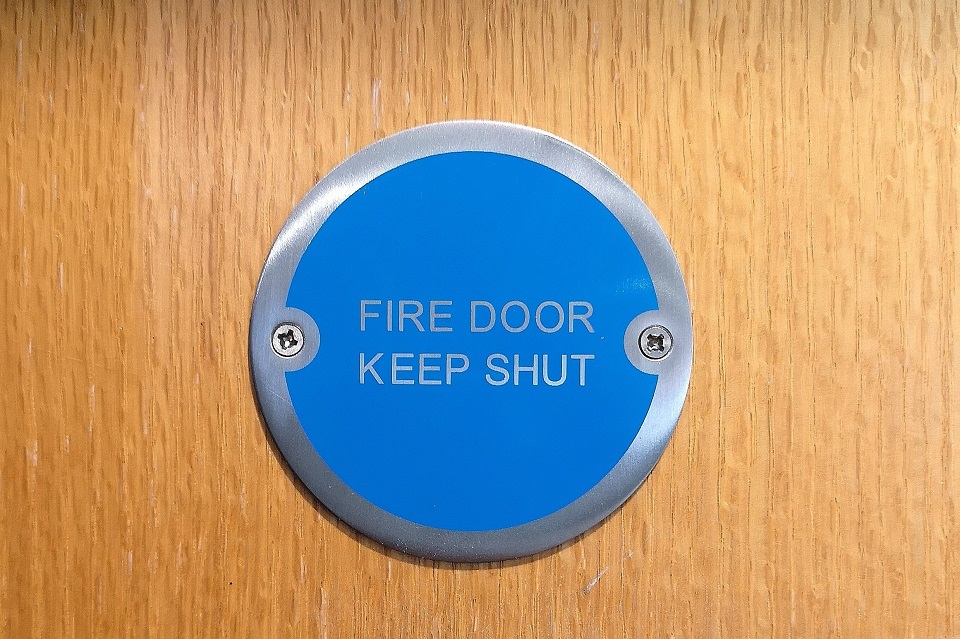
Required keep-shut, keep-locked or automatic-fire-door signage may be absent or unclear.
Your Fire Door Inspection Report
The report records the condition and status of the inspected doors, including relevant observations concerning gaps, glazing, seals and door hardware.
Recommendations can identify the essential work needed to address significant defects, together with non-critical but advisable improvements that would enhance the building's fire-safety management.
Where appropriate, the inspector can advise whether an existing door may be repaired or upgraded rather than replaced in full.
Repair, Upgrade or Replace?
Not every defective door requires complete replacement. The appropriate solution depends on the door's construction, certification, condition and the extent of the defects.
Minor Adjustment
Closers, hinges, latches or alignment may be corrected where the underlying door set remains suitable.
Seal Replacement
Damaged or missing intumescent and smoke seals may be replaced with a suitable compatible product.
Hardware Upgrade
Unsuitable ironmongery may be replaced where the new components are compatible with the door assembly.
Full Door Replacement
Replacement may be necessary where the door leaf, frame, glazing or overall assembly cannot be verified or economically repaired.
How the Fire Door Inspection Process Works
Providing a door schedule and existing fire-safety documents can help the inspector prepare for the survey and understand the intended fire strategy.
Initial Review
Confirm the building use, door numbers, access and existing fire-safety information.
Site Inspection
Assess each accessible fire door and its associated components.
Defect Classification
Identify essential defects and non-critical but advisable improvements.
Report Preparation
Prepare the schedule of findings and recommendations.
Remedial Action
Arrange suitable repairs, upgrades or replacement through competent contractors.
Fire Door Inspections for a Range of Premises
Information Required for a Quotation
Provide the full property address, building use, approximate number of fire doors and preferred inspection date.
Please also provide floor plans, an existing fire-door schedule, the latest fire-risk assessment and details of any known defects or recent alterations.
Other Services Your Building May Require
Important Fire Door Inspection Information
A fire door inspection is generally a visual, non-destructive assessment of accessible doors and components unless a different scope is expressly agreed. Concealed frame fixings, internal door-core construction and inaccessible components may not be verified without opening-up or supporting certification. Final remedial decisions should consider the original door-set evidence, fire strategy, fire-risk assessment and competent contractor advice. A satisfactory inspection does not remove the need for ongoing routine checks and maintenance by the responsible person. One Stop Consult provides consultancy and coordination support through its specialist fire-safety inspection network.
Fire Door Inspection FAQs
Why do fire doors need inspecting?
Fire doors can become damaged, altered or poorly maintained. An inspection identifies defects that could compromise their ability to restrict fire and smoke.
Who is responsible for fire door safety?
The responsible person for the premises must ensure that suitable fire-safety measures, including fire doors, are properly maintained.
What parts of the door are checked?
The inspection commonly includes the door leaf, frame, gaps, glazing, seals, hinges, closers, latches, handles and signage.
Will every defective door need replacing?
Not necessarily. Some doors may be adjusted, repaired or upgraded. Replacement is recommended where the door set cannot be suitably restored or verified.
Does the report identify essential works?
Yes. The report can identify essential remedial works and non-critical but advisable improvements.
Do apartment buildings require fire door inspections?
Fire-safety duties apply to the common areas of apartment buildings, and relevant fire doors should be included within the building's inspection and maintenance arrangements.
Is a fire door inspection the same as a fire-risk assessment?
No. A fire-risk assessment reviews wider fire risks and precautions, while a fire door inspection focuses specifically on the condition and suitability of fire doors.
How often should fire doors be checked?
The frequency should reflect the building, risk, use and applicable legal requirements. High-use or vulnerable doors may need more frequent checks.
What information is needed for a quotation?
Provide the address, building use, approximate door count, floor plans and any existing fire-risk assessment or door schedule.
Request Your Free Fire Door Inspection Quote
Complete the form below with the property address, building use and approximate number of fire doors. Upload the latest floor plans, fire-risk assessment and any existing door schedule so our team can review the requirement and coordinate an appropriate inspection quotation.