
Energy Performance Certificates
Accredited Energy Performance Certificate services for homes, commercial premises, new developments and existing buildings throughout the UK.
What Is an Energy Performance Certificate?
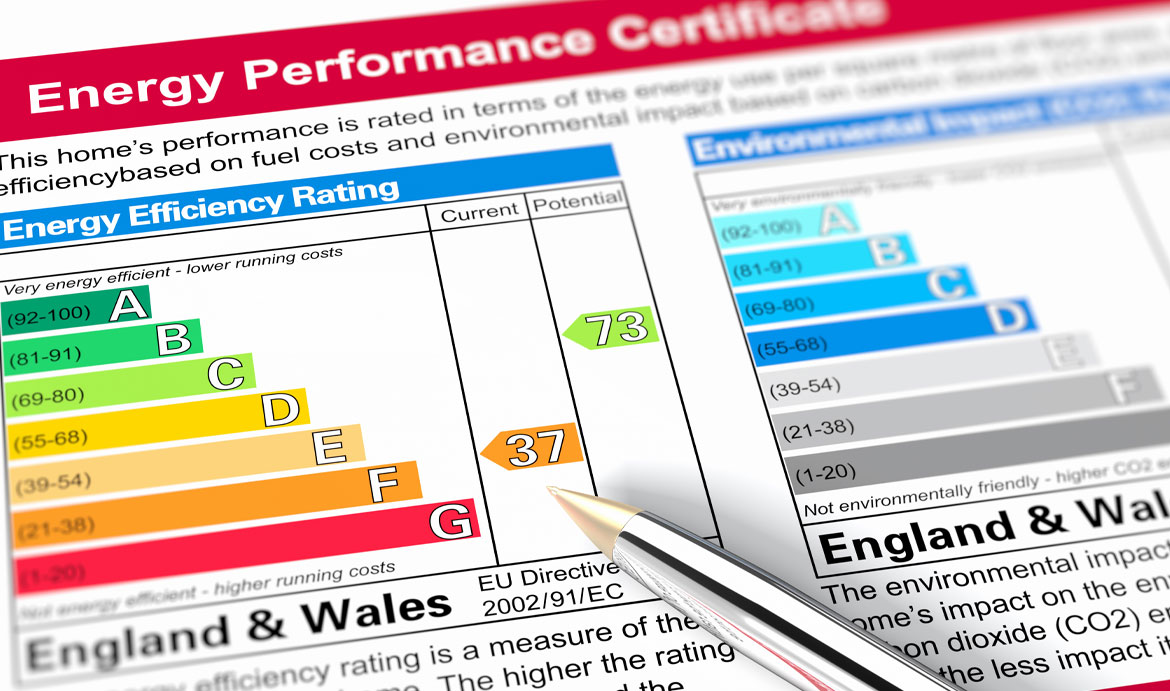
An Energy Performance Certificate, commonly known as an EPC, provides an energy-efficiency rating for a building. The certificate uses a scale from A to G, with A representing the most energy efficient performance.
The EPC also includes information about estimated energy use, carbon emissions and recommended improvements that may help increase the building's rating.
One Stop Consult coordinates accredited energy assessors who can evaluate new-build information or inspect an existing property, complete the necessary calculations and lodge the final certificate on the official Government register.
When Is an EPC Required?
An EPC is commonly required when a building is constructed, sold or rented, subject to the property type and any applicable exemptions.
Selling a Property
Owners will commonly need a valid EPC before marketing a domestic or commercial property for sale.
Renting a Property
Landlords may need to provide a valid EPC before a new tenancy or commercial lease is agreed.
New-Build Completion
New homes and commercial buildings generally require a final EPC following the completed SAP or SBEM assessment.
Conversions and Changes of Use
A certificate may be required where an existing building is converted or new separate accommodation is created.
Commercial Property Transactions
Offices, retail units, warehouses and other commercial premises may require certification before sale or letting.
Building Regulations Completion
Building Control may require the final EPC and associated compliance documents before closing a project.
Domestic and Commercial EPCs
The assessment method depends on the building type, use and whether the property is new or existing.
Domestic EPCs
Used for houses, flats and other self-contained dwellings. Existing homes are normally assessed through a site survey, while new homes are assessed using SAP information.
Commercial EPCs
Used for offices, shops, warehouses, industrial units, hotels and other non-domestic premises. Commercial assessments commonly use SBEM or other approved methodologies.
New-Build EPCs
Produced after the final as-built SAP or SBEM assessment has been completed using the confirmed construction and building-services specification.
Existing-Building EPCs
Based on an inspection of the building, its construction, accommodation, heating, lighting, ventilation and other relevant features.
EPC Ratings Explained
EPC ratings run from A to G. Buildings rated A are considered the most energy efficient, while buildings rated G have the poorest calculated performance.
The rating is influenced by the building fabric, heating and hot water, ventilation, lighting, cooling systems and renewable-energy technologies.
The certificate may also include recommendations showing measures that could improve the building's rating and reduce energy demand.
What Does an EPC Assessor Review?
The exact assessment depends on the property type, but commonly includes the following areas.
Building Fabric
Walls, floors, roofs, insulation and the overall thermal performance of the building envelope.
Windows and Doors
Glazing type, frame construction, thermal performance and the extent of windows, doors and rooflights.
Heating and Hot Water
Heating appliances, hot-water systems, controls, distribution and system efficiency.
Ventilation and Cooling
Natural or mechanical ventilation, air conditioning and heat recovery where applicable.
Lighting
Fixed lighting, efficiency and control arrangements, particularly within commercial premises.
Renewable Technologies
Solar PV, heat pumps and other low-carbon systems installed within the property.
How the EPC Process Works
The process varies between existing and new buildings, but the objective is to collect enough reliable information to calculate and lodge an accurate energy rating.
Project Review
Establish whether a domestic, commercial, new-build or existing-building EPC is required.
Assessment
Inspect the property or review the relevant SAP, SBEM, drawings and completion evidence.
Energy Calculation
Enter the property information into the appropriate approved assessment software.
Certificate Lodgement
Lodge the completed EPC on the official register and issue the certificate.
How Can an EPC Rating Be Improved?
The most effective measures depend on the existing building and the reason an improved rating is required.
Improve Insulation
Upgrade loft, roof, wall or floor insulation where suitable for the construction.
Upgrade Glazing
Improve windows, doors or rooflights to reduce unwanted heat loss.
Improve Heating Efficiency
Replace inefficient heating or hot-water systems and introduce better controls.
Improve Lighting
Install efficient fixed lighting and suitable occupancy or daylight controls.
Improve Ventilation Systems
Upgrade inefficient fans or introduce heat recovery where appropriate.
Add Renewable Technology
Solar PV, heat pumps and other suitable low-carbon measures may improve the calculated rating.
Information Required for a Quotation
Provide the full property address, building type, approximate floor area, current use and the reason the EPC is required.
For new developments, please also send the final SAP or SBEM information, architectural drawings and details of the installed construction and building services.
EPCs for Residential and Commercial Buildings
Nationwide Energy Performance Certificate Service
One Stop Consult coordinates domestic and commercial EPC assessments throughout mainland UK. Support is available for existing properties, new developments, conversions and commercial buildings requiring energy certification.
Other Services Your Project May Require
Important EPC Information
EPC requirements depend on the property type, use, transaction and any applicable exemptions. The final rating is based on the approved assessment methodology and the information available to the assessor. One Stop Consult provides consultancy and coordination support through its specialist accredited energy-assessor network.
Energy Performance Certificate FAQs
What does an EPC show?
An EPC shows the calculated energy-efficiency rating of a building, its estimated energy performance and recommended improvements.
How long is an EPC valid?
An EPC is generally valid for ten years unless a newer certificate is produced.
Do I need an EPC to sell or rent a property?
An EPC is commonly required before a property is marketed for sale or rent, subject to any applicable exemption.
What is the difference between a domestic and commercial EPC?
Domestic EPCs apply to dwellings, while commercial EPCs apply to non-domestic premises such as offices, shops and warehouses.
Does a new building need an EPC?
New homes and commercial buildings generally require a final EPC following completion of the relevant SAP or SBEM assessment.
Can an EPC rating be improved?
Yes. Improvements to insulation, glazing, heating, lighting, ventilation and renewable systems may increase the rating.
Is an EPC assessment intrusive?
Existing-building EPC assessments are generally visual and non-destructive, although the assessor will need access to the relevant areas and building services.
Do you provide EPCs nationwide?
Yes. We coordinate suitable accredited assessors for eligible residential and commercial properties throughout mainland UK.
Request Your Free EPC Quote
Complete the form below with the property address, building type, approximate floor area and reason the certificate is required. Upload any existing EPC, plans or SAP and SBEM information available so our team can coordinate an appropriate quotation.